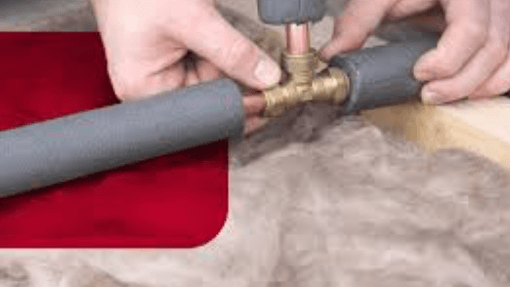
Installing pipe insulation begins with identifying pipe type, temperature, and performance needs, then selecting a material suitable for moisture and thermal resistance. Accurate measurement, precise cutting, and a tight fit follow, ensuring joints align. The wrap must be seamless, seams sealed, and fittings accounted for. Special attention goes to valves, elbows, and winterizing gaps. Post-install checks verify reduced heat loss and intact insulation, but the process reveals additional considerations that compel a closer look at each step.
What Pipe Insulation Do You Really Need?
Determining the appropriate pipe insulation begins with identifying the pipe type, temperature, and the desired performance. The analysis evaluates pipe types and environmental conditions to select material—arc-free, thermal resistance, and moisture resistance. Insulation thickness is determined by heat loss targets, system pressure, and space constraints. Precision documentation ensures compatible fittings, consistent layering, and predictable thermal performance across configurations.
Measure, Cut, and Fit for a Tight Seal
To achieve a tight seal, accurate measurement, precise cutting, and proper fitting of insulation components are essential. The process emphasizes measurements accuracy, with standardized tools and validation steps to prevent gaps. Cutting follows predetermined patterns, minimizing waste and maintaining continuity.
Fitment prioritizes alignment with joints and fittings, while installation sequencing dictates orderly progression, ensuring contiguous insulation segments and unobstructed access for maintenance constraints.
Wrap, Seal, and Secure Against Leaks
Wrap and seal the insulated surface to prevent leaks by applying appropriate wrapping technique, securing seams, and testing for continuity. The procedure emphasizes wrap sealing consistency, secure seam overlap, and straightforward inspection.
Measure cutting, verify fit, and align insulation without gaps. Fitting seals are installed where contact with components occurs, reducing heat loss and securing leaks through controlled compression and durable adhesive bonding.
Special Spots: Valves, Fittings, and Winterizing Tips
Valves and fittings present irregular contours and exposed joints that require targeted insulation strategies to maintain thermal integrity.
In practice, valve insulation addresses dynamic clearances and valve stems, while fittings coverage ensures wrap continuity across elbows and tees.
Winterizing tips emphasize sealing leaks, reducing heat loss, and preserving fluid properties.
Documentation notes installation sequence, inspection checkpoints, and post-installation performance verification for reliable operation.
See also: The Rise of Circular Tech Economy
Conclusion
In summary, proper pipe insulation combines precise material selection, accurate measurement, and meticulous installation to minimize heat loss. By addressing pipe type, temperature, joints, and seasonal gaps, the system achieves consistent performance and reduced energy waste. The process, when documented and followed with disciplined attention to seams and fittings, yields reliable results. A single, guiding metaphor—like a well-titted suit—captures how precise tailoring of insulation shapes fit, function, and efficiency, ensuring longevity and resilience.