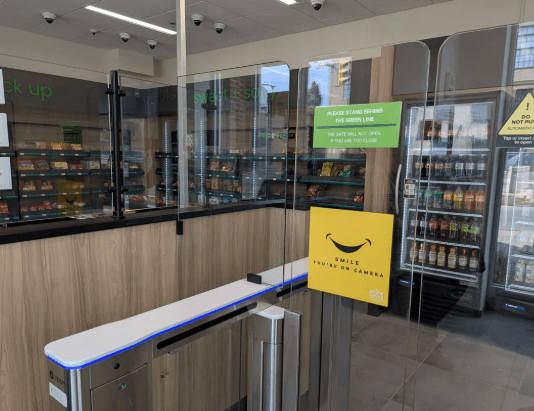
Checkout-free stores leverage sensors, cameras, and mobile apps to automate entry, shopping, and exit flows. The approach enables real-time data capture and pervasive analytics on behavior, inventory, and pricing. While efficiency and personalization rise, concerns about privacy, consent, and trust grow in parallel. The architecture emphasizes edge processing, modular components, and transparent governance. As brands weigh ROI against ethical trade-offs, the landscape evolves in ways that merit closer scrutiny.
What Are Checkout-Free Stores and Why They Matter
Checkout-free stores use sensors, cameras, and mobile apps to automate the shopping process, enabling customers to enter, select items, and exit without traditional checkout lines. These systems enable instant data collection and behavioral insights, highlighting efficiency and autonomy. However, the model invites scrutiny through privacy auditing and data aggregation, underscoring the balance between convenience and individual rights in a freedom-focused retail future.
How Checkout-Free Tech Works Today
Technologies powering checkout-free stores synthesize computer vision, sensor fusion, and real-time data processing to identify items and link them to a shopper’s account.
System architectures emphasize modularity, edge processing, and centralized analytics.
AI ethics and data privacy frameworks govern data collection, retention, and consent.
Transparency, traceable decision logs, and access controls balance efficiency with user autonomy and freedom from opaque surveillance.
Benefits, Risks, and How Brands Use It
The benefits of checkout-free stores center on speed, convenience, and data-driven personalization, while enabling retailers to optimize inventory, staffing, and store layout in real time.
Brands leverage technology to enhance experimentation, pricing, and cross-sell opportunities without traditional friction, yet must address store ethics and data privacy concerns, balancing customer trust with analytics-driven agility, autonomy, and measurable ROI.
Risks include surveillance intensity and compliance challenges.
What Comes Next for Retail and Shoppers
The trajectory focuses on predictable loyalty through retail psychology insights and transparent signals of value, while safeguarding consumer trust.
Innovations must balance convenience with consent, ensuring scalable, privacy-respecting interactions that reinforce autonomy, choice, and measurable, ethical performance across channels.
See also: anytechhub
Frequently Asked Questions
How Do Checkout-Free Stores Handle Returns and Exchanges?
Returns and exchanges follow a digital, policy-driven framework; the returns policy governs eligibility and timelines, while the exchange process facilitates item replacement via automated verification, return initiation, and seamless credits or refunds.
Are Checkout-Free Systems Vulnerable to Shoplifting or Fraud?
The systems are guarded by storefront analytics and theft deterrence, yet irony emerges: parity with fraud risks persists as people exploit blind spots; while technology lowers checks, accountability remains, revealing inherent vulnerabilities in automated environments and security expectations.
Do These Stores Affect Job Opportunities for Cashiers?
Yes, the transition can entail job displacement for cashiers, as roles shift toward automation ethics and oversight. Analysts note automation reduces routine tasks while creating new roles, emphasizing skills aligned with data, maintenance, and customer experience rather than mere labor.
What Privacy Data Is Collected at Checkout-Free Entrances?
The privacy data collected at checkout-free entrances includes video and sensor data for product identification and customer verification, enabling privacy tracking; potential surveillance bias arises from facial, behavior, and demographic inferences guiding store analytics.
Can Small Retailers Realistically Implement This Technology?
Small retailers face significant constraints, but implementation feasibility improves with scalable hardware, modular software, and vendor support; careful piloting and phased rollouts can reduce risk and upfront costs while delivering measurable efficiency gains.
Conclusion
The rise of checkout-free stores mirrors a broader shift toward frictionless commerce, where data-driven systems quietly orchestrate every purchase. As sensors, cameras, and edge processing converge, brands gain precise insight and speed—yet this elegance hides ethical tension, consent, and privacy trade-offs. The pattern alludes to a future where autonomy and efficiency coexist, but only if transparent logs, robust access controls, and trusted governance illuminate the path, ensuring technology serves shoppers as much as sales.